
How to Choose Incontinence Pads for Different Needs

Choosing incontinence pads starts with matching absorbency to your leak volume and selecting the right type for your lifestyle.
For instance, light pads suit occasional dribbles, moderate options handle daily leaks, and heavy absorbency manages complete voids overnight. You’ll also need to decide between disposable convenience and reusable cost savings.
Our team at Ontex Healthcare has helped thousands of Australians find reliable protection that fits their lives. So we know how overwhelming it feels when you’re standing in front of dozens of incontinence products, unsure which pads actually work for your situation. But you don’t have to guess anymore.
In this article, you’ll discover how to assess your personal needs, compare pad types and absorbency levels, and choose products that protect your skin while managing incontinence with confidence.
Let’s find the right solution for you.
What Types of Incontinence Pads Are Available?
Incontinence pads include disposable options for convenience, reusable washable types for savings, and booster pads for extra absorbency. In our experience with thousands of Australian customers, understanding these basic categories helps you narrow down which products suit your needs.
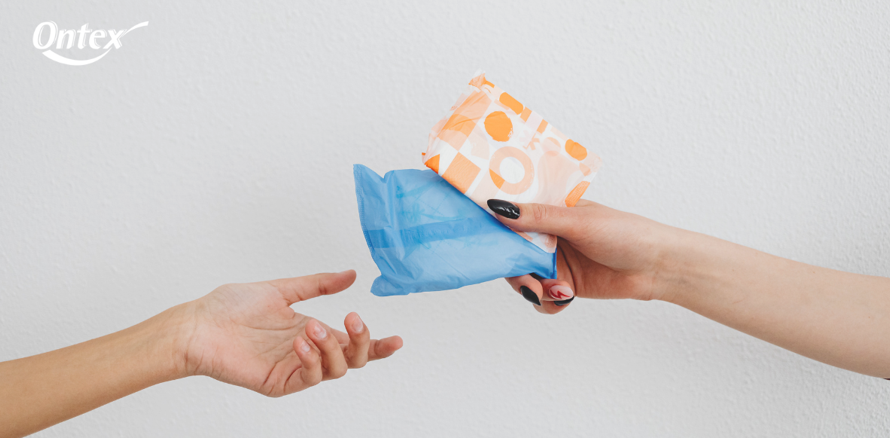
Here’s what each type offers:
- Disposable Options: Disposable pads with waterproof backing offer grab-and-go convenience for busy lifestyles. You simply wear them once and toss them after use. These pads work well when you’re travelling or have limited mobility, which makes washing difficult.
- Washable Pads: While they need an upfront purchase, proper care means they last for years. This way, reusable pads save money over time and reduce environmental waste with dependable absorbency. Just follow the manufacturer’s instructions for washing, and these absorbent products become more cost-effective than buying disposables monthly.
- Booster Pads: If you’re heading out for a long day of shopping and worry your regular pad won’t hold up, then a booster pad slips right inside for extra security. They add extra protection inside your existing incontinence pants or pull-ups when you need additional absorbency without changing sizes.
Beyond these, pull-ups and incontinence pants offer another option in the full range of products, though you wear them differently than insert pads.
Matching Absorbency Levels to Your Situation
The best part about choosing the right absorbency is that you’ll stop worrying about leaks and finally feel confident during your daily activities. When you match your pad’s capacity to your actual leak volume, managing incontinence becomes straightforward instead of stressful.
Absorbent products come in three main levels.
1. Light Protection for Occasional Leaks
Light pads handle small dribbles from coughing, sneezing, or laughing throughout your day without bulk. These thin designs stay discreet under clothing while managing stress incontinence during normal daily activities.
Also, light leaks affect many women, especially after childbirth. You might notice these occasional dribbles during exercise or sudden movements.
Bottom Line: Light options work well for early incontinence stages when leaks happen occasionally rather than constantly.
2. Moderate Coverage for Daily Confidence
Sometimes you need stronger protection than light pads, but don’t want the bulk of heavy options. That’s exactly what moderate coverage delivers.
Moderate pads manage regular leaks from weakened bladder control during work, shopping, or social activities. Thicker absorbent cores hold more liquid than light pads and stay comfortable under regular clothing.
Put simply, moderate pads sit right between light and heavy protection. These work well for urge incontinence, where you experience sudden, strong urges to urinate several times daily, giving you reliable protection throughout the day.
3. Heavy Absorbency for Night and Day Protection
Waking up wet in the middle of the night? Then, heavy absorbency pads are what you need to handle complete bladder voids and sleep peacefully.
They provide extended protection for up to eight hours overnight. Plus, bed pads add furniture protection underneath you while sleeping and stop leaks that escape body-worn pads. The super absorbent cores in these products hold significantly more liquid than moderate options.
These high-capacity products suit severe incontinence where you have minimal control over bladder or bowel function, offering night-time security and day-time confidence. We’ve seen customers regain peaceful sleep after switching to proper night and day protection.
Once you’ve matched your absorbency needs, the next decision is choosing between disposable or reusable pads for your lifestyle.
Disposable vs Reusable: Which Suits Your Lifestyle?
Disposable pads offer grab-and-go convenience for busy days, while reusable options save you hundreds of dollars each year with proper care.
The thing is, disposable pads cost more over time (since you’re buying new packs every month) but require no washing. Which is why they’re perfect for travel or when you have limited mobility. You simply toss them after each use.
Meanwhile, reusable pads need an upfront purchase but last for years when you follow the manufacturer’s instructions for washing. After washing, they maintain their absorbency and continue protecting you. At the end of the day, reusables from trusted brands cut your yearly spending significantly while reducing landfill waste.
Pro Tip: Check the sale price before stocking up on disposables. Many people find that one pack of quality reusables costs the same as three months of disposable pads.
Honestly, both types manage incontinence effectively. But your choice depends on whether you value convenience or long-term savings in your daily life.
Now let’s talk about protecting your skin while wearing these pads.
See also: Exploring the Future of Robotics in Healthcare
Skin Protection Features You Need
Studies show that between 5.6% to 50% of people with incontinence develop skin irritation from their pads. However, the right skin-friendly features in quality incontinence products stop this discomfort before it starts.
Protecting your skin reduces stress about rashes and keeps you comfortable all day. So look for these features:
- Breathable Design: When pads trap moisture, your skin stays damp for hours and develops rashes and irritation. But breathable materials like cotton and microfiber let air circulate against your skin and stop moisture buildup.
- pH-Balanced Protection: pH-balanced top sheets protect delicate skin from urine’s acidity and lower your risk of painful dermatitis complications. Your skin needs this protection, especially if you’re wearing absorbent products for extended periods.
- Hypoallergenic Materials: In sensitive areas, hypoallergenic designs avoid harsh chemicals and fragrances that trigger skin reactions. These gentler materials help you maintain healthy skin during daily pad use.
Useful Tip: Keep an eye on any redness or irritation early, since catching skin rashes before they worsen makes treatment much easier.
How to Assess Your Personal Needs
Assessing your needs starts with tracking leak frequency and volume for one week so you can match the right pad type to your situation.
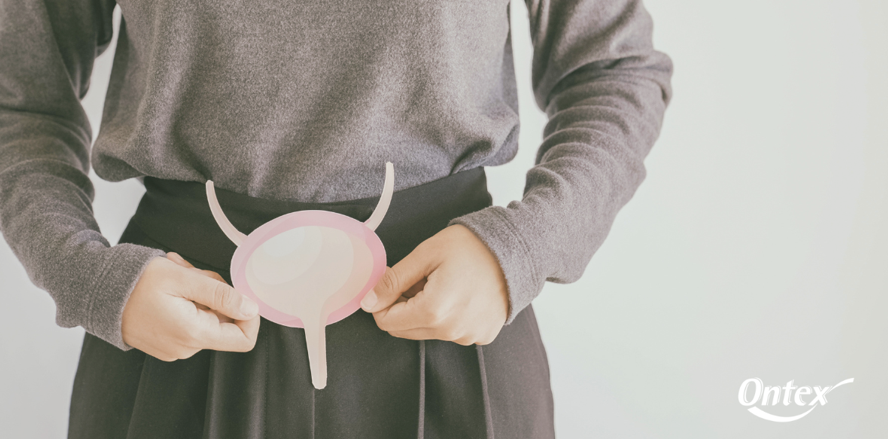
However, most adults and seniors skip this step and end up purchasing products that don’t actually fit their incontinence patterns. No matter if you’re dealing with urinary incontinence or faecal incontinence, proper assessment helps you choose products that actually work for your body.
Before you purchase any pads and underwear, consider these factors:
- Track Your Patterns: Write down when leaks happen and how much comes out each time (annoying, but necessary). This helps you spot patterns in your incontinence symptoms. Are leaks happening mainly at night or throughout the day? Does stress, like coughing, trigger them, or do they happen without warning?
- Match Your Lifestyle: Active lifestyles need secure fits that won’t shift during movement, while sedentary days allow bulkier, high-absorbency options. Women who work long shifts need different protection than those at home most days.
- Check Your Mobility: Factor in your dexterity and mobility because some pad styles require easier application than complex positioning. If arthritis makes your hands stiff, simple pull-ups might work better than pads with adhesive strips.
- Think Long-Term: Managing incontinence means finding products that keep you comfortable without breaking your budget. Also consider complete incontinence solutions like bed and mattress protectors for night-time coverage alongside your pads.
Here’s the truth: getting the right product gives you reliable protection and stress-free days ahead.
Find Your Perfect Incontinence Products
When you choose the right product, you gain better protection that helps you move through the day with confidence and less worry. You also get materials designed for skin comfort, so long-term use feels manageable, not frustrating.
Ready to purchase the right incontinence pads for your needs? Ontex Healthcare offers a full range of quality incontinence products that customers absolutely love and trust daily.
There’s no such thing as a silly question about incontinence, and so we let our customers speak through their experiences with our products. Contact us anytime for personalised advice on finding your perfect fit.