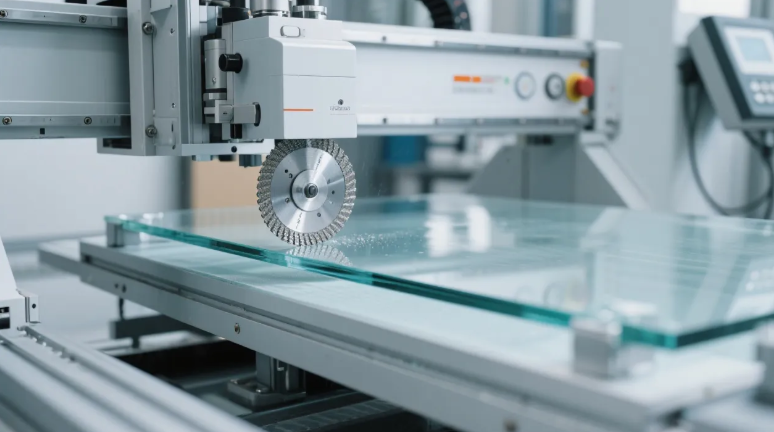
Mastering Materials: The Essential Guide to Diamond Blades

In the world of cutting technology, precision is paramount. The ability to slice through materials with accuracy while reducing waste is vital across numerous industries. From construction to manufacturing, the quest for the ideal cutting tool has led to the development of various gadgets and machinery. However, one particular tool has proven to be indispensable due to its durability and efficiency – the diamond blade. In this essential guide, we explore the significance of diamond blades, their uses, and how to select the right one for your needs.
Understanding Diamond Blades
Diamond blades are cutting tools with exposed diamond particles attached to a metal base at the rim or body through a bonding process. These blades are famed for their ability to cut through hard or abrasive materials such as concrete, stone, brick, and tile. The strength of diamond, the hardest naturally occurring substance, makes these blades highly effective for demanding cutting operations.
The Composition of Diamond Blades
Diamond blades are composed of two key parts – the steel core and the diamond segment. The steel core is the base of the blade, providing support and stability during cutting. The diamond segment, also known as the cutting teeth, contains the diamonds that do the actual cutting. When choosing a diamond blade, it’s the quality and composition of this segment that determine the blade’s cutting abilities and longevity.
Types of Diamond Blades
There are several types of diamond blades available, each designed to serve specific materials and cutting conditions. Continuous rim blades are perfect for cutting ceramic tiles and marble with a smooth finish. Segmented blades have gaps that provide air flow and cooling, suitable for cutting concrete and harder materials. Turbo blades combine smooth and segmented rims for speed with a smoother finish. Understanding these variations is crucial to selecting a blade that aligns with one’s operational requirements.
Choosing the Right Diamond Blade
The selection process must factor in the material to be cut, the cutting equipment used, and the desired cut quality. Blade dimensions are equally important, with diameter and width determining the depth and precision of the cut. An appropriately selected blade leads not only to optimized performance but also to extended tool life and reduced operating costs.
Advantages of Using Diamond Blades
The primary advantage of diamond blades is evident in their cutting speed and durability. Unlike conventional cutting tools, diamond blades reduce the dust and debris generated during cutting. Their resilience against wear and tear from hard materials also extends their lifespan, offering cost-effectiveness over time.
Safe Operation of Diamond Blades
Ensuring safety while using diamond blades is paramount. Operators should wear appropriate protective gear, including goggles, gloves, and ear protection. The equipment should always be checked for integrity before use, and blades must be properly installed according to the manufacturer’s guidelines. A safety-first approach minimizes the risk of accidents and enhances cutting efficiency.
Maintenance and Care Tips
Adequate maintenance is key to preserving the functionality of diamond blades. After use, blades should be cleaned to remove any buildup of material. Proper storage in a dry environment prevents rust and damage to the steel core. Periodic checks for signs of wear or damage can avert blade failure and maintain performance consistency.
Applications of Diamond Blades
Diamond blades have extensive applications in various sectors. In construction, they are necessary for cutting through concrete slabs and asphalt for road work. The precision of diamond blades makes them ideal for intricate work such as tile cutting and stone worktop fabrication. They are also indispensable in the metalworking industry for cutting through refractory materials and even glass.
Technological Advances in Diamond Blade Manufacturing
Advancements in technology have led to improved methods in the production of diamond blades. New bonding materials and methods have increased their capacity to withstand intense operational conditions. Innovations in terms of diamond grit size and pattern also contribute to enhanced cutting speeds and cleaner cuts, according to different material specifications.
Cost-Effectiveness of Diamond Blades
Although the initial investment in diamond blades might appear high in comparison to regular blades, their long-term cost-effectiveness is undeniable. The long lifespan, combined with reduced blade swaps and minimal downtime, leads to overall cost savings for businesses.
See also: Seamless Elegance on the Water: Discover Brisbane’s Premier Luxury Boat Hire Experience
Environmental Considerations in Diamond Blade Use
Responsible use of diamond blades also beholds environmental benefits. Their durability means fewer blades are consumed and discarded over time. Proper disposal or recycling of used blades further mitigates environmental impact, promoting sustainable practices within the industry.
The Future of Diamond Blades
The cutting technology scene continually evolves, with research focusing on even more refined diamond blade production techniques. As materials science advances, we can expect diamond blades that cater to an even wider range of materials with heightened precision and longevity.
Conclusion
Mastering the use of diamond blades is fundamental for industries that rely on precise cutting and shaping of materials. Their inherent durability, cutting speed, and versatility make them an indispensable tool in the toolkit of professionals. Selecting the right diamond blade for the job is a matter of understanding the attributes and requirements of both the blade and the material at hand. With appropriate application, operation, and maintenance, diamond blades can significantly enhance operational efficiency and productivity across a spectrum of cutting tasks.
Explore Diamond Blades
For those ready to integrate this technology into their workflow and achieve superior cutting performance, exploring the range of high-quality diamond blades is the next step. Discover the options available that meet the needs of your industry and material-specific applications and ensure that your pursuits in mastering materials are grounded in cutting-edge efficiency and precision.