Traveling from Boston to India: A Complete Guide for a Smooth Journey

Traveling from Boston, Massachusetts, to India is an exciting international adventure that combines long-haul flights with the opportunity to explore a diverse and culturally rich country. Whether your trip is for business, education, tourism, or visiting family, planning is key to making the journey enjoyable and stress-free. This guide covers flight options, visa requirements, packing tips, transportation, sightseeing, and travel advice to ensure a seamless experience.
Flight Options from Boston to India
India is served by multiple international airports, including Indira Gandhi International Airport in Delhi (DEL), Chhatrapati Shivaji Maharaj International Airport in Mumbai (BOM), Kempegowda International Airport in Bangalore (BLR), and Rajiv Gandhi International Airport in Hyderabad (HYD). Boston Logan International Airport (BOS) is the primary departure point for travelers in Massachusetts.
Direct Flights
Currently, there are no direct flights from Boston to India. Travelers must book connecting flights, often with layovers in major hubs such as New York, Chicago, Washington D.C., London, Dubai, Doha, or Frankfurt.
Connecting Flights
Connecting flights are the most common and provide multiple options. Airlines like Emirates, Qatar Airways, Lufthansa, Air India, United Airlines, and British Airways operate routes from Boston to India. Depending on the layover location and duration, total travel time can range from 18 to 30 hours.
Choosing the Right Airline
When selecting an airline, consider travel time, ticket cost, baggage allowance, and comfort for long-haul flights. Premium economy or business class may offer additional legroom, better meals, and enhanced amenities, which can make a significant difference on flights exceeding 15 hours.
Planning Your Travel Dates
Timing your travel from Boston to India affects your comfort, costs, and overall experience. India’s climate varies widely depending on the region and season.
Best Time to Visit
- Winter (October to March): Ideal for most regions, with pleasant temperatures ranging from 10°C to 30°C. This is the peak tourist season, especially in northern India.
- Summer (April to June): Northern regions can be extremely hot, while southern regions remain moderate. Travelers should be prepared for heat and humidity.
- Monsoon (July to September): Southern and western India experience heavy rains, which can disrupt travel plans but also create lush landscapes.
Booking in Advance
Booking flights early, especially during peak tourist months (December–January), ensures better fares and seat availability. Flexible travel dates may also allow you to take advantage of seasonal deals.
Visa Requirements for U.S. Citizens
Travelers from the United States need a visa to enter India.
Types of Visas
- Tourist Visa: For leisure travel, generally valid for six months with multiple entries.
- Business Visa: For attending meetings, conferences, or professional engagements.
- Medical Visa: For medical treatment in India.
- Student Visa: For studying in Indian educational institutions.
Application Process
The Indian e-Visa application is convenient for travelers. Applicants need a valid passport, a recent passport-sized photograph, and supporting documents depending on the visa type. Processing typically takes 3–5 business days.
Travel Insurance
Though not mandatory, travel insurance is highly recommended. It covers medical emergencies, lost luggage, and trip cancellations, providing peace of mind for long international travel.
Packing for India
Packing properly is crucial for comfort and convenience during your stay.
Essentials
- Clothing: Light, breathable fabrics for hot regions, warm layers for northern winters, and rain gear during monsoon season.
- Footwear: Comfortable walking shoes for sightseeing and exploring markets.
- Electronics: India operates on 230V, 50Hz. Carry universal plug adapters and portable chargers.
- Health Supplies: Prescription medications, basic first aid, hand sanitizer, and insect repellent.
Cultural Considerations
India is culturally diverse, and dressing modestly is appreciated, especially when visiting temples, mosques, and other religious sites. Carrying a scarf or shawl can be helpful for women visiting sacred areas.
Arrival in India
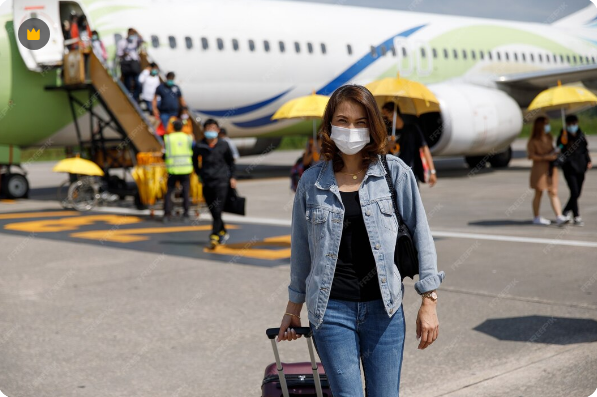
Major international airports in India are well-equipped with modern amenities including lounges, restaurants, currency exchange, and transport facilities.
Transportation from Airports
- Taxis and Ride-Hailing: Uber, Ola, and official airport taxis are widely available and convenient.
- Private Transfers: Pre-booked cars ensure reliability and comfort.
- Public Transit: Some cities like Delhi and Mumbai have metro lines connecting airports to the city center.
Currency Exchange
The Indian Rupee (INR) is the local currency. While credit cards are widely accepted in urban areas, carrying cash is essential for markets, small shops, and street food. ATMs are widely available, but inform your bank of international travel to prevent card blocks.
Exploring India
India is vast and diverse, offering a wide range of experiences. Depending on your destination, you can enjoy historical landmarks, natural wonders, modern cities, and cultural experiences.
Northern India
- Delhi: The capital city offers historical sites like Red Fort, Qutub Minar, India Gate, and vibrant markets such as Chandni Chowk.
- Agra: Home to the world-famous Taj Mahal, a UNESCO World Heritage Site.
- Jaipur: Known as the Pink City, famous for Amber Fort, Hawa Mahal, and rich Rajasthani culture.
Southern India
- Bangalore: The Silicon Valley of India, featuring gardens, modern shopping centers, and a cosmopolitan atmosphere.
- Chennai: Known for its beaches, temples, and cultural heritage.
- Kerala: Offers backwaters, hill stations, and tropical landscapes perfect for relaxation.
Western India
- Mumbai: The financial capital with Bollywood, Marine Drive, and historical architecture.
- Goa: Famous for beaches, nightlife, and Portuguese influence.
Eastern India
- Kolkata: Known for colonial architecture, vibrant culture, and literary heritage.
- Darjeeling: Scenic hill station with tea plantations and panoramic mountain views.
Indian Cuisine
India’s culinary diversity is immense. Each region offers distinct flavors and specialties.
- Street Food: Chaat, samosas, vada pav, and pani puri are popular, but always eat from hygienic vendors.
- Regional Cuisine: North Indian dishes include butter chicken, naan, and biryani, while South India is known for dosas, idlis, and coconut-based curries.
- International Cuisine: Cities like Delhi, Mumbai, and Bangalore offer global cuisines to cater to international travelers.
See also: Essential Questions to Ask Before Hiring Furniture Movers Sydney
Health and Safety Tips
- Vaccinations: Ensure routine vaccinations are up-to-date. Consult a travel clinic for additional vaccines like hepatitis A, typhoid, and others depending on regions visited.
- Water and Food Safety: Drink bottled or filtered water and avoid raw foods from street vendors.
- Travel Etiquette: Respect local customs and dress modestly, especially in religious places.
- Traffic Awareness: Indian traffic can be chaotic. Exercise caution while crossing streets and prefer reputable transport options.
Return Journey from India to Boston
Planning your return from India to Boston is essential for a smooth conclusion to your trip.
Airport Arrival
Arrive at the airport at least 3 hours before your international flight. Keep travel documents, passport, and boarding passes accessible.
Shopping Before Departure
India offers a variety of handicrafts, textiles, spices, and jewelry. Popular shopping destinations include Delhi’s Dilli Haat, Mumbai’s Colaba Causeway, and Jaipur’s markets. Ensure you follow customs regulations regarding exports.
Staying Connected
International roaming or local SIM cards help you stay connected during your trip. Telecom providers like Jio, Airtel, and Vodafone offer tourist SIM cards with voice and data plans.
Tips for a Comfortable Journey
- Plan Layovers Wisely: Choose flights with manageable layovers to minimize fatigue.
- Pack Smartly: Keep essentials like travel documents, chargers, snacks, and medications in carry-on luggage.
- Stay Hydrated: Drink plenty of water on long flights to avoid dehydration.
- Adjust to Time Zones: India is 9.5–10.5 hours ahead of Boston depending on daylight saving. Gradually adjust sleep schedules to reduce jet lag.
- Learn Basic Phrases: Simple words in Hindi or regional languages help navigate and connect with locals.
Conclusion
Traveling from Boston to India is more than just a long-haul flight; it is an opportunity to experience a country of incredible diversity, history, and culture. From securing visas and booking flights to exploring bustling cities, historic sites, natural landscapes, and indulging in rich cuisine, careful planning ensures a memorable journey.
By understanding flight options, packing wisely, respecting local customs, and staying safe, travelers can enjoy a seamless and enriching experience from Massachusetts to India. Whether visiting for leisure, business, or education, this journey promises experiences that will stay with you long after your return.